A Guide to High-Performance Epoxy Floor Systems
When searching for the perfect flooring solution for your garage, warehouse, showroom, or commercial space, epoxy flooring consistently emerges as one of the most versatile and durable options available. This comprehensive guide explores everything you need to know about epoxy floor coatings, from their composition and benefits to installation processes and maintenance requirements.
Understanding Epoxy Flooring: The Basics
Epoxy flooring is a high-performance resin-based floor coating system that creates a seamless, durable surface over concrete substrates. Unlike traditional flooring materials such as tiles or vinyl, epoxy is applied as a liquid that chemically bonds to the prepared concrete surface and cures into an exceptionally hard, protective layer. The term “epoxy” refers to the chemical reaction between two components: epoxy resin and a polyamine hardener. When these components are mixed in precise ratios, they undergo a chemical curing process that transforms the liquid mixture into a solid, incredibly resilient surface.
What distinguishes epoxy floor systems from simple paint is their thickness and durability. While epoxy paint may be less than two millimeters thick, professional epoxy flooring systems typically range from two to five millimeters or more, creating a substantial protective barrier. This thickness, combined with the chemical bond formed during curing, results in a floor coating that can withstand extreme traffic, chemical exposure, impact, and abrasion—conditions that would quickly destroy conventional flooring materials.
Types of Epoxy Flooring Systems
The epoxy flooring category encompasses diverse system types, each engineered for specific performance requirements and aesthetic preferences. Understanding these variations helps you select the optimal solution for your particular needs.
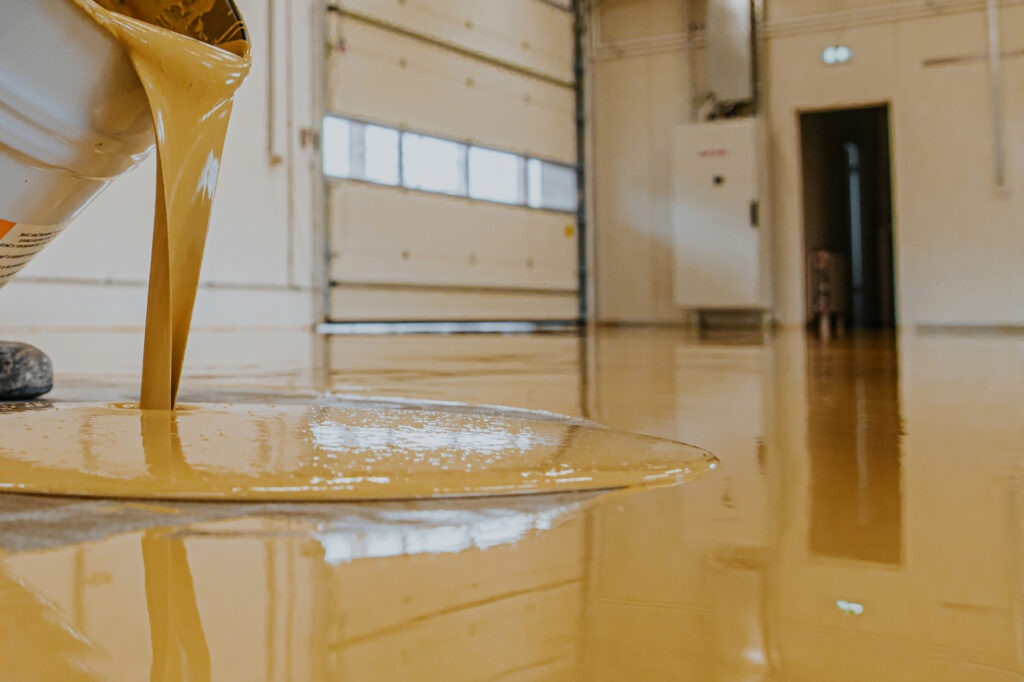
Self-Leveling Epoxy Flooring represents one of the most popular categories, particularly valued for creating perfectly smooth, seamless surfaces. These fluid formulations flow freely across the substrate before curing, automatically eliminating minor irregularities and creating glass-smooth finishes ideal for showrooms, retail spaces, and commercial kitchens. Self-leveling epoxy floors typically achieve thicknesses of two to four millimeters and provide excellent chemical resistance and easy maintenance.
Epoxy Mortar Flooring constitutes the most durable epoxy system available, featuring solid epoxy combined with graded sand or quartz aggregates. These heavy-duty floors can be applied at substantial thicknesses—up to one centimeter or more—making them ideal for industrial environments experiencing extreme mechanical stress, chemical exposure, or heavy forklift traffic. Epoxy mortar systems excel in manufacturing facilities, warehouses, and food processing plants where maximum durability is essential.
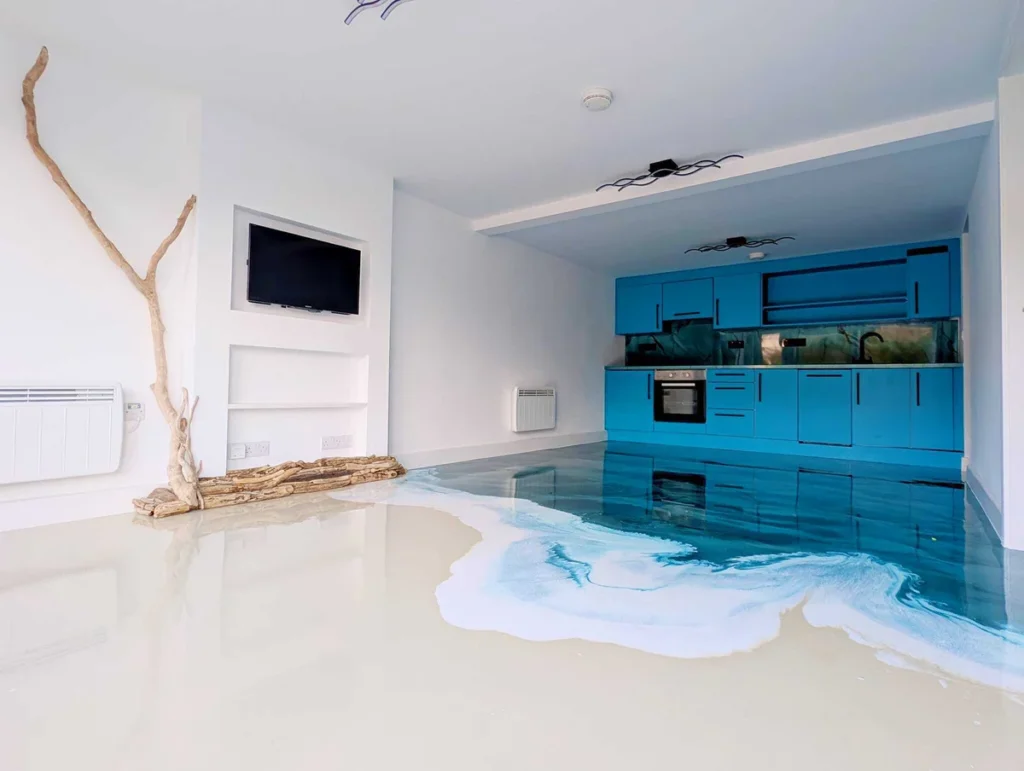
Metallic Epoxy Flooring has gained popularity for creating stunning decorative effects. By incorporating metallic pigments into clear or lightly tinted epoxy resin, installers create unique, three-dimensional appearances with swirling, pearlescent effects that change with viewing angle and lighting. These systems are particularly popular in retail spaces, restaurants, hotels, and residential applications where aesthetic impact matters as much as performance.
Key Benefits of Epoxy Floor Coatings
The growing popularity of epoxy flooring across industrial, commercial, and residential sectors stems from tangible performance advantages that deliver real value throughout the floor’s lifespan. Perhaps the most immediately recognizable benefit is exceptional durability. Epoxy floor systems are engineered to withstand punishing conditions that would quickly destroy conventional flooring materials, from constant forklift traffic to thermal stress in temperature-controlled environments.
Chemical Resistance ranks among epoxy flooring’s most valuable characteristics. Different epoxy formulations can be tailored to resist specific substances commonly encountered in various industries. Automotive facilities benefit from epoxy’s resistance to petroleum products, oils, and brake fluids. Manufacturing plants value its ability to withstand industrial solvents and cleaning chemicals. Food processing operations appreciate resistance to organic acids, sugars, and aggressive sanitizing agents. This chemical resilience prevents contamination, maintains hygiene standards, and eliminates frequent repairs or replacements.
The Seamless Nature of epoxy flooring creates profound advantages in environments where cleanliness and hygiene are critical. Unlike tiled floors with grout lines or sheet flooring with seams, properly installed epoxy floors present an unbroken surface with no joints, gaps, or crevices where bacteria, mold, or contaminants can harbor. This monolithic characteristic makes cleaning and sanitizing dramatically easier while preventing moisture penetration that could compromise the substrate or create conditions for microbial growth.
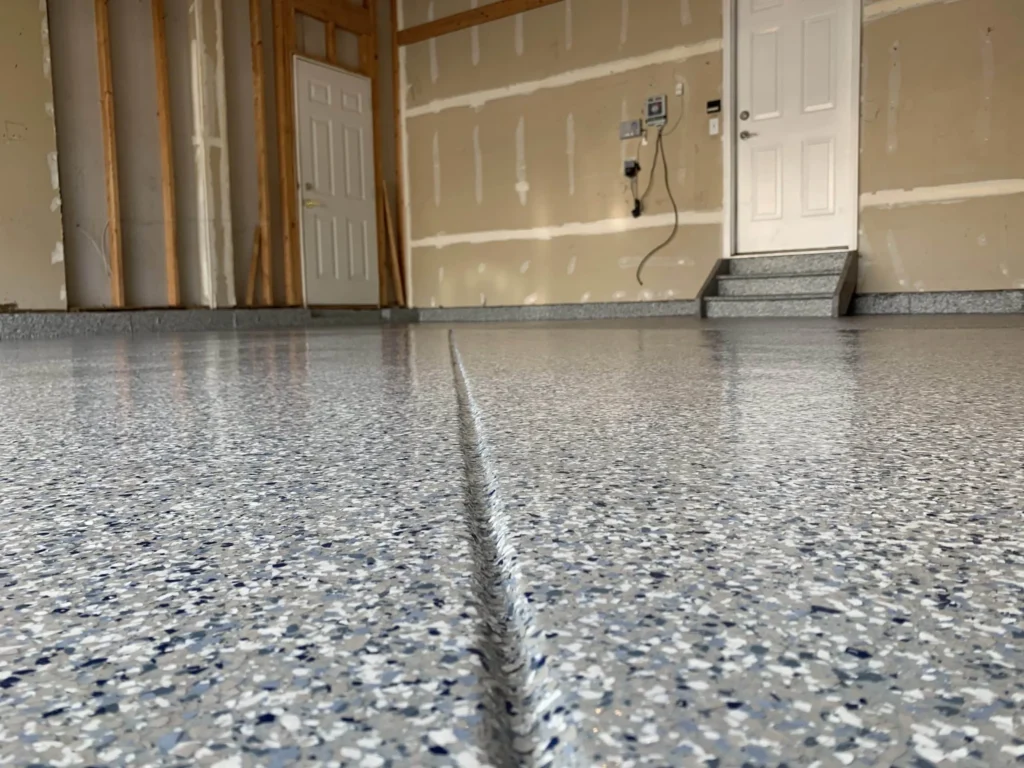
Aesthetic Versatility extends beyond basic functionality. Epoxy flooring systems can be formulated in virtually any color, from subtle neutral tones to vibrant custom shades. Decorative quartz blends create terrazzo-like effects with exceptional visual appeal. Metallic pigments produce unique, dynamic appearances. Beyond solid colors, epoxy systems can incorporate safety markings, logo reproductions, or wayfinding elements directly into the floor surface, creating cohesive designs that are both functional and attractive.
Ideal Applications for Epoxy Flooring
Epoxy floor coatings find applications across an extraordinarily wide range of settings due to their versatile performance characteristics. Industrial and manufacturing facilities represent the largest market segment, where epoxy flooring’s durability, chemical resistance, and ease of maintenance prove indispensable. Warehouses benefit from epoxy’s ability to withstand heavy forklift traffic and impact from dropped loads. Automotive manufacturing plants rely on resistance to petroleum products and coolants. Chemical processing facilities depend on epoxy’s resistance to aggressive chemicals and solvents.
Commercial spaces increasingly specify epoxy flooring systems when combining durability with aesthetic appeal. Automotive showrooms showcase luxury vehicles on gleaming epoxy floors that enhance the upscale atmosphere while standing up to foot traffic. Retail environments appreciate the wide range of decorative options available through colored epoxy, metallic finishes, and custom designs. Restaurants and commercial kitchens depend on epoxy’s slip resistance, chemical resistance, and ease of cleaning to maintain safe, sanitary food preparation areas.
Residential applications continue expanding as homeowners discover epoxy flooring’s benefits. Garage floors represent the most common residential use—epoxy coatings protect concrete from oil stains, hot tire pickup, and moisture while dramatically improving appearance. Basements benefit from epoxy’s moisture resistance and ability to brighten previously dark spaces. Some homeowners even install epoxy flooring in living areas, kitchens, or home gyms where its industrial-grade performance provides unique advantages.
The Epoxy Floor Installation Process
Achieving optimal epoxy flooring performance depends critically on proper installation procedures executed by experienced professionals. The process begins long before any epoxy material contacts the substrate—comprehensive surface preparation ensures adequate adhesion and prevents premature failure. The existing concrete substrate must be thoroughly evaluated for strength, moisture content, and surface contaminants. Concrete should possess minimum compressive strength to support an epoxy floor system, and any areas of weakness, spalling, or damage must be repaired before proceeding.
Surface Preparation typically involves mechanical methods such as diamond grinding, shot blasting, or scarification to remove surface laitance, existing coatings, oils, and contaminants while creating the surface profile necessary for mechanical bonding. The goal is exposing sound, clean concrete with a texture that allows the epoxy primer to penetrate and create a robust mechanical interlock. Moisture testing is absolutely critical, as excess moisture vapor transmission from the concrete slab can prevent proper curing and lead to delamination, bubbling, or other failures.
Once Substrate Preparation is Complete, installation typically begins with primer coat application specifically formulated to bridge the epoxy system to the concrete substrate. This primer penetrates into concrete pores, sealing the surface while providing chemical and mechanical bonds for subsequent layers. After the primer cures sufficiently, main epoxy layers are applied according to the system design. For self-leveling systems, this involves mixing epoxy resin and hardener components in precise proportions, pouring the material onto the floor, and using specialized tools like notched spreaders and spiked rollers to distribute it evenly and remove entrapped air.
Epoxy Flooring Maintenance and Longevity
One of the most compelling economic arguments for epoxy floor coatings is exceptional longevity when properly maintained—these floors routinely provide fifteen to twenty-five years of service in demanding industrial environments, far exceeding the lifespan of alternative flooring solutions. However, achieving this longevity requires maintenance programs appropriate to the facility’s use and specific epoxy system installed. The excellent news is that maintenance requirements for epoxy floors are generally minimal compared to other industrial flooring types.
Daily Cleaning typically involves simple sweeping or dust mopping to remove loose debris that could act as an abrasive under foot or vehicle traffic. For more thorough cleaning, damp mopping with a neutral pH cleaner and clean water effectively removes most soiling without degrading the epoxy surface. The seamless nature of epoxy flooring means there are no grout lines to trap dirt or require special attention—the entire floor can be cleaned with consistent efficiency.
In High-Traffic Areas or facilities where oils, greases, or other stubborn contaminants accumulate, periodic deep cleaning may be necessary. Mechanical scrubbing with automatic floor scrubbers efficiently removes built-up soiling, while the chemical resistance of epoxy allows use of stronger cleaning solutions when needed. Some facilities implement scheduled deep cleaning programs—weekly, monthly, or quarterly depending on conditions—to prevent soil buildup and maintain the floor’s appearance and performance.
Epoxy Flooring vs. Other Floor Systems
When evaluating flooring options, understanding how epoxy compares to alternatives helps inform decision-making. Epoxy versus polished concrete represents a common comparison. Polished concrete offers attractive, low-maintenance surfaces at potentially lower initial costs, but lacks the chemical resistance, seamless coating protection, and customization options epoxy provides. Polished concrete works well for retail spaces and warehouses with minimal chemical exposure, while epoxy excels where chemical resistance and complete substrate protection are essential.
Epoxy versus polyurethane flooring represents another important comparison. While both are resin-based systems, polyurethane floors offer superior flexibility, thermal shock resistance, and UV stability compared to epoxy. However, epoxy typically provides better chemical resistance to solvents and acids, superior adhesion to concrete, and lower material costs. Many facilities use hybrid approaches—epoxy base coats for adhesion and chemical resistance topped with polyurethane wear layers for flexibility and longevity.
Epoxy versus tile flooring highlights fundamental differences in installation, performance, and maintenance. Tile floors require extensive installation time, create numerous grout lines that trap dirt and bacteria, and lack the seamless chemical resistance epoxy provides. However, tile offers design flexibility through diverse patterns and superior resistance to extremely high temperatures. For most industrial and commercial applications, epoxy’s seamless nature and chemical resistance provide significant advantages over tile.
Cost Considerations for Epoxy Floor Systems
Epoxy flooring investment varies significantly based on system type, substrate conditions, area size, and desired finish. Understanding cost factors helps establish realistic budgets and evaluate value propositions. Basic epoxy garage floor coatings for residential applications typically range from R150 to R350 per square meter for do-it-yourself kits, though professional installation raises costs to R300 to R600 per square meter. These basic systems provide adequate protection for typical garage use but lack the durability and performance of commercial-grade systems.
Commercial and industrial epoxy flooring costs range more widely depending on system specifications. Standard commercial epoxy coatings typically cost R400 to R800 per square meter installed, covering self-leveling systems and basic decorative options suitable for showrooms, retail spaces, and light industrial use. Heavy-duty industrial systems including epoxy mortar floors for manufacturing facilities and warehouses range from R800 to R1,500 per square meter due to increased material thickness, extensive surface preparation requirements, and specialized application techniques.
Decorative epoxy flooring featuring metallic finishes, custom colors, or intricate designs commands premium pricing, typically ranging from R700 to R1,800 per square meter depending on complexity. These systems require skilled artisan application to achieve desired aesthetic effects while maintaining performance standards. While initial costs exceed basic systems, the unique visual impact justifies investment for high-visibility commercial spaces where appearance drives customer experience.
Choosing the Right Epoxy Flooring System
Selecting the optimal epoxy floor coating for your facility requires careful consideration of multiple factors beyond simple cost comparison. Chemical Exposure represents a primary consideration—facilities regularly working with acids, alkalis, solvents, or aggressive cleaning agents need epoxy formulations specifically designed to resist those chemicals. Providing your flooring contractor with detailed information about chemicals present, concentrations, temperature, and duration of exposure enables proper system selection.
Traffic Intensity and Type significantly influence system requirements. Light foot traffic in office environments permits thinner, less robust epoxy coatings, while heavy forklift traffic in warehouses demands thick epoxy mortar systems capable of withstanding extreme mechanical stress. Vehicle traffic introduces additional considerations including hot tire pickup resistance and impact from dropped loads. Accurately assessing traffic patterns ensures floor specifications match actual demands.
Temperature Conditions affect both epoxy selection and installation procedures. Facilities experiencing extreme temperature variations, thermal cycling, or operations in refrigerated environments require epoxy systems formulated to accommodate thermal expansion and contraction without cracking. Some epoxy formulations are specifically engineered for high-temperature environments like commercial kitchens or areas near ovens and furnaces, while others excel in cold storage facilities operating well below freezing.
Common Epoxy Flooring Myths Debunked
Several misconceptions about epoxy floor coatings persist despite extensive real-world evidence demonstrating their performance. “Epoxy floors are slippery” represents perhaps the most common myth. While high-gloss epoxy finishes can become slippery when wet, this is easily addressed through anti-slip additives incorporated during installation or applied as broadcast aggregates. Properly specified epoxy floors with appropriate slip resistance meet or exceed safety standards for their intended use, including wet environments like commercial kitchens.
“Epoxy flooring yellows over time” contains partial truth requiring context. Standard aliphatic epoxy resins do experience some yellowing when exposed to UV light, making them less suitable for outdoor applications or areas with extensive natural sunlight. However, this yellowing typically occurs only in direct sunlight exposure and doesn’t affect performance or integrity. For applications where UV resistance is critical, polyaspartic or polyurethane topcoats provide excellent protection against yellowing while maintaining epoxy’s base performance benefits.
“DIY epoxy kits perform as well as professional systems” significantly overstates the capabilities of consumer-grade products. While DIY epoxy garage floor kits provide adequate protection for typical residential use, they lack the thickness, chemical resistance, and durability of professional-grade epoxy flooring systems. Professional installations also include proper surface preparation—often the most critical factor in long-term performance—that DIY applications typically skip or execute inadequately. For commercial and industrial applications, professional installation proves essential for achieving expected performance and longevity.
Environmental and Health Considerations
Modern epoxy flooring systems increasingly address environmental sustainability and health concerns through improved formulations and application practices. Volatile Organic Compound (VOC) emissions from traditional solvent-based epoxy coatings raised legitimate health and environmental concerns, leading to development of low-VOC and water-based epoxy systems. These environmentally friendly formulations significantly reduce odors and emissions during installation while maintaining performance characteristics, making them suitable for occupied buildings and sensitive environments.
Indoor Air Quality benefits from epoxy flooring’s seamless, non-porous surface that doesn’t harbor dust, allergens, or volatile compounds. Unlike carpeting that traps allergens and some flooring adhesives that off-gas chemicals, properly cured epoxy floors contribute to healthier indoor environments. This characteristic proves particularly valuable in healthcare facilities, schools, and residential applications where air quality directly affects occupant health and comfort.
Sustainability Considerations include epoxy flooring’s long service life reducing material waste and replacement frequency compared to shorter-lived flooring alternatives. The ability to apply epoxy directly over existing concrete eliminates demolition waste associated with removing failed flooring systems. Additionally, epoxy’s reflectivity can reduce lighting requirements, lowering energy consumption and operational costs throughout the building’s life. Some epoxy systems qualify for green building certification credits under programs recognizing sustainable building materials and practices.
Future Trends in Epoxy Flooring Technology
Innovation continues advancing epoxy floor coating technology, addressing emerging needs and expanding applications. Antimicrobial epoxy flooring integrates bacteriostatic and fungistatic agents directly into the epoxy matrix, actively inhibiting microbial growth on floor surfaces. This technology proves increasingly important for healthcare facilities, pharmaceutical manufacturing, food processing operations, and other environments where contamination control is critical. Antimicrobial additives provide continuous protection that doesn’t diminish through cleaning or wear.
Smart Epoxy Systems incorporating sensors and conductive elements represent emerging frontiers. Conductive and static-dissipative epoxy floors already protect sensitive electronic equipment in manufacturing environments, but future developments may include embedded sensors monitoring floor condition, traffic patterns, or environmental conditions. Integration with building management systems could enable predictive maintenance, optimizing cleaning schedules and identifying potential problems before failures occur.
Rapid-Cure Epoxy Technology addresses one of the primary limitations of traditional epoxy flooring—extended curing times that keep facilities out of service. Advanced formulations now enable significantly faster return to service, with some systems allowing light traffic within hours and full loading within twenty-four hours. This rapid-cure capability proves invaluable for businesses where downtime directly translates to lost revenue, enabling flooring installations or repairs with minimal operational disruption.
Conclusion: Is Epoxy Flooring Right for Your Project?
Epoxy flooring represents one of the most versatile, durable, and cost-effective solutions available for modern industrial, commercial, and residential applications. Its unique combination of chemical resistance, mechanical durability, seamless application, and aesthetic flexibility makes it the system of choice for environments where performance, hygiene, and longevity are paramount. From warehouse floors enduring constant forklift traffic to showroom floors showcasing luxury products, from commercial kitchen floors requiring rigorous sanitation to garage floors protecting residential investments, epoxy floor coatings deliver proven performance across diverse applications.
Making informed epoxy flooring decisions requires understanding your specific needs—chemical exposure, traffic intensity, aesthetic requirements, budget constraints, and performance expectations. Professional flooring contractors bring expertise in system selection, surface preparation, and application techniques that dramatically affect long-term outcomes. While initial investment may exceed basic flooring alternatives, the life-cycle cost analysis consistently demonstrates epoxy flooring’s superior value through extended service life, minimal maintenance requirements, and sustained performance under demanding conditions.
Whether you’re planning new construction, renovating existing facilities, or simply seeking to upgrade worn flooring, epoxy systems merit serious consideration. Their track record spanning decades across countless installations worldwide proves their reliability, while ongoing innovations continue expanding capabilities and applications. Contact experienced epoxy flooring professionals to discuss your specific requirements and discover how these high-performance floor systems can transform your space while providing decades of dependable service.
Recent posts: