Epoxy Garage Floors in Waterfall Estate: Complete Installation Guide and Costs
Waterfall Estate represents the pinnacle of luxury living in Johannesburg. Homeowners in this prestigious development demand excellence in every detail, including their garage floors. Epoxy garage flooring has become the preferred choice for discerning Waterfall Estate residents seeking durability, aesthetics, and long-term value. This comprehensive guide explores everything you need to know about epoxy garage floors—from installation processes to costs, benefits, and maintenance requirements.
Why Waterfall Estate Homeowners Choose Epoxy Garage Floors
Waterfall Estate homes typically feature multiple-car garages housing luxury vehicles worth millions. Standard concrete floors simply don’t meet the aesthetic and performance standards these properties demand. Epoxy flooring transforms ordinary concrete into showroom-quality surfaces that protect your investment while enhancing your home’s value.
The estate’s architectural guidelines emphasize quality and visual appeal. Epoxy floors deliver both seamlessly. They resist hot tire marks from high-performance vehicles, repel oil and chemical stains, and maintain their lustrous appearance for decades. Unlike painted concrete that chips and fades within months, professional epoxy systems bond chemically to concrete substrates, creating permanent, resilient surfaces.
Waterfall Estate’s climate—characterized by hot summers and mild winters—creates ideal conditions for epoxy application and curing. The low humidity levels throughout most of the year ensure optimal bonding and minimize application complications. This environmental advantage, combined with the estate’s premium property values, makes epoxy flooring a logical investment rather than an expense.
Homeowners also appreciate epoxy’s customization possibilities. From solid colors matching your home’s palette to metallic finishes creating three-dimensional visual effects, epoxy accommodates diverse design preferences. Many Waterfall Estate garages feature decorative flake systems mimicking terrazzo or custom logo installations incorporating family crests or favorite sports teams. According to the South African Bureau of Standards, properly installed epoxy floors meet rigorous quality benchmarks for residential applications.
Understanding Epoxy Flooring: What Makes It Superior
Epoxy flooring consists of resin and hardener components that chemically react to form rigid plastic materials. This reaction, called curing, creates molecular bonds significantly stronger than the concrete substrate itself. Unlike simple garage floor paint that sits atop concrete, epoxy penetrates pores and creates mechanical interlocking alongside chemical bonding.
The resulting surface exhibits exceptional hardness, typically measuring 80-90 on the Shore D hardness scale. This hardness translates to outstanding abrasion resistance—critical for garages experiencing daily vehicle traffic, dropped tools, and equipment movement. Epoxy surfaces resist scratching, denting, and surface damage that would quickly destroy conventional flooring.
Chemical resistance represents another crucial advantage. Automotive fluids including brake fluid, transmission fluid, antifreeze, and petroleum products cannot penetrate or stain properly installed epoxy. Battery acid, cleaning chemicals, and even paint thinners wipe away without leaving marks. This resistance protects both your floor and the concrete foundation beneath.
Epoxy floors are seamless and non-porous. No grout lines, joints, or seams exist where dirt, moisture, or contaminants can penetrate. This characteristic makes epoxy floors exceptionally hygienic and easy to clean—simple sweeping and occasional mopping maintain pristine appearance. For Waterfall Estate homeowners who value cleanliness and order, this effortless maintenance proves invaluable.
Modern epoxy formulations offer rapid curing times. While older systems required weeks to reach full strength, contemporary products allow light foot traffic within 24 hours and vehicle traffic within 48-72 hours. This speed minimizes disruption to household routines—essential for busy professionals and families.
Types of Epoxy Systems Available for Waterfall Estate Garages
Selecting the appropriate epoxy system depends on your aesthetic preferences, budget, and garage usage patterns. Understanding available options helps you make informed decisions aligned with your specific needs.
Solid Color Epoxy represents the most straightforward and cost-effective option. These systems feature uniform colors throughout, available in virtually any shade. Popular choices in Waterfall Estate include sophisticated grays, classic whites, and bold blacks. Solid colors provide clean, professional appearances ideal for minimalist or contemporary design aesthetics. They’re also the most forgiving regarding minor substrate imperfections.
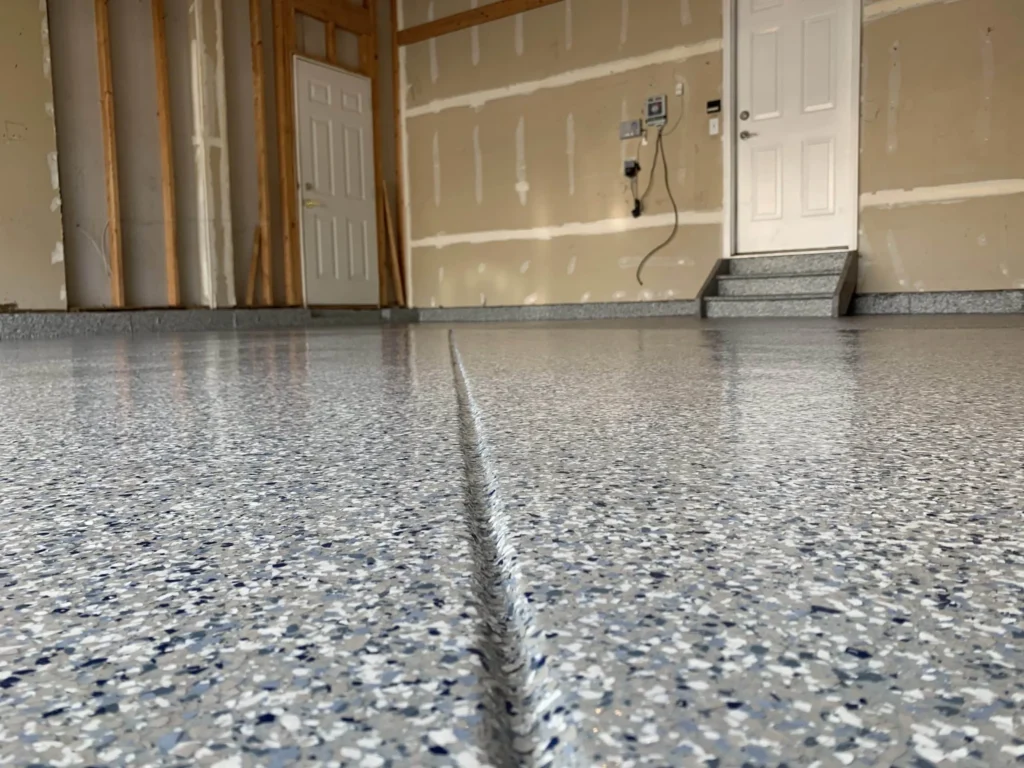
Decorative Flake Epoxy incorporates colored vinyl or acrylic flakes broadcast into wet epoxy base coats. These flakes create textured, multi-colored appearances resembling terrazzo or granite. Benefits include enhanced slip resistance, superior hiding of minor floor imperfections, and visually interesting surfaces that don’t show dust or tire marks as readily as solid colors. Waterfall Estate homeowners often select flake systems coordinating with their home’s exterior or interior color schemes.
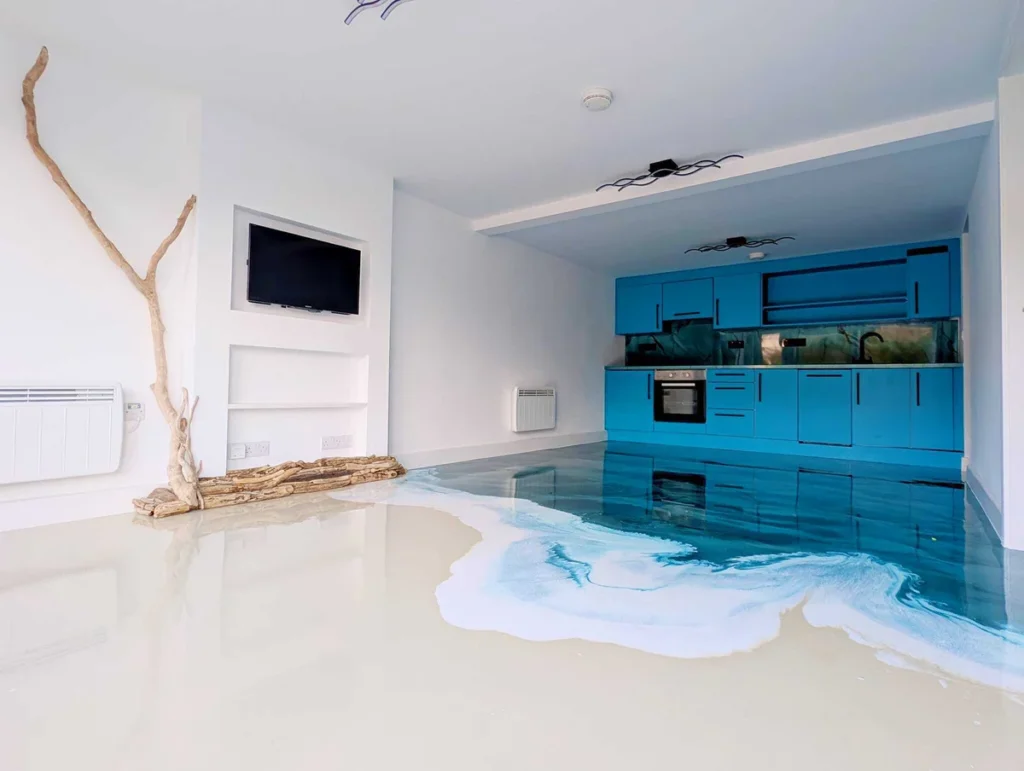
Metallic Epoxy produces stunning three-dimensional effects through special metallic pigments suspended in clear epoxy. As installers manipulate wet epoxy using specialized techniques, these pigments create swirling, pearlescent patterns unique to each installation. No two metallic floors are identical. This artistic quality appeals to homeowners seeking truly distinctive garage spaces. Metallic epoxy costs significantly more than solid colors but delivers unmatched visual impact.
Clear Epoxy Topcoats can be applied over stained or dyed concrete, preserving natural concrete character while adding protection and chemical resistance. Some Waterfall Estate homeowners prefer this approach when their garages feature attractive existing concrete with desirable color or texture. The Green Building Council South Africa recognizes epoxy’s sustainability benefits, particularly its longevity reducing replacement frequency and material waste.
The Complete Epoxy Installation Process: What to Expect
Professional epoxy installation involves multiple critical phases. Understanding this process helps you appreciate why proper installation requires skilled contractors rather than DIY attempts.
Phase 1: Surface Preparation (Days 1-2)
Surface preparation determines installation success or failure. Contractors begin by thoroughly cleaning concrete to remove oils, grease, dirt, previous coatings, and contaminants. This typically involves degreasing chemicals followed by pressure washing. For Waterfall Estate garages, this often reveals pristine concrete requiring minimal repair.
Next comes mechanical surface profiling, usually through diamond grinding or shot blasting. This process removes surface laitance (weak concrete layer), creates surface texture for mechanical bonding, and opens concrete pores for epoxy penetration. Proper profiling creates a surface resembling medium-grit sandpaper. Inadequate preparation causes the most common epoxy failures—delamination and bubbling.
Crack repair follows profiling. Contractors fill cracks using flexible epoxy crack fillers preventing crack propagation through new epoxy layers. Expansion joints receive special treatment, often filled with polyurethane sealants accommodating concrete movement. Surface leveling addresses any significant unevenness, though minor variations are acceptable.
Moisture testing is critical. Excessive moisture vapor transmission from concrete slabs prevents proper epoxy curing and causes delamination. Contractors conduct calcium chloride tests or relative humidity probe testing, ensuring moisture levels fall within acceptable limits before proceeding.
Phase 2: Priming (Day 3)
Once concrete is prepared and moisture-tested, contractors apply specialized primers. These penetrating sealers fill concrete pores while providing chemical bonding surfaces for subsequent epoxy layers. Primer selection depends on concrete conditions—some primers handle slightly damp concrete while others require bone-dry substrates.
Application involves rolling or spraying primers evenly across entire garage floors. Contractors ensure complete coverage without puddling or thin spots. Primers typically cure within 4-8 hours, though some formulations require overnight curing before accepting base coats.
Phase 3: Base Coat Application (Day 4)
The base coat constitutes the primary epoxy layer determining final appearance (for solid colors) or providing foundation (for flake/metallic systems). Contractors mix two-component epoxy in precise ratios using calibrated equipment. Mixing errors compromise curing and performance.
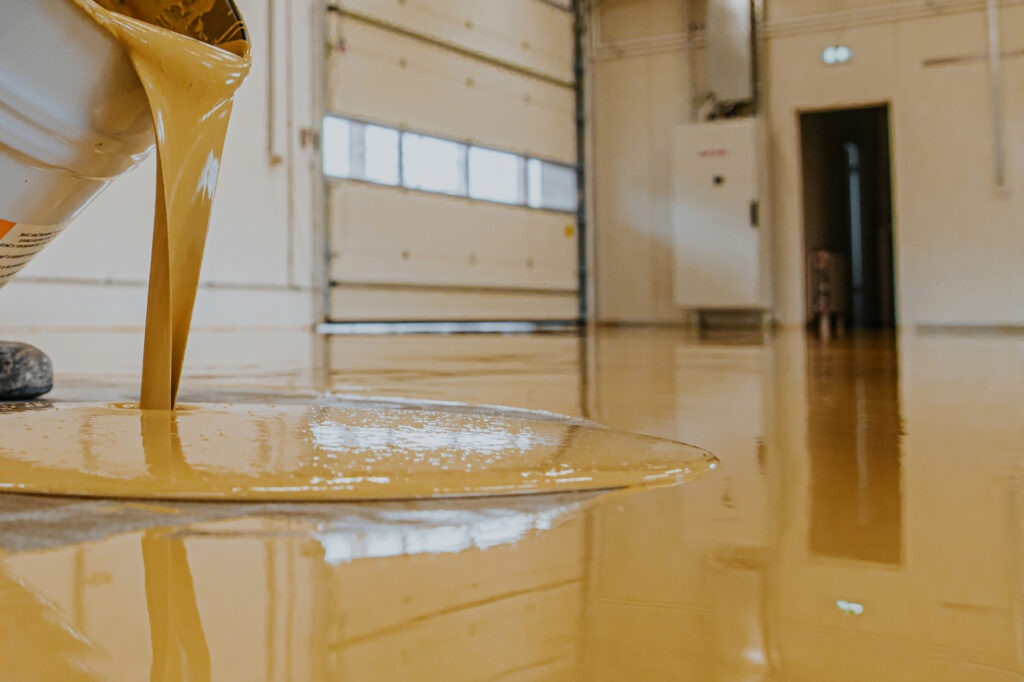
Application involves pouring mixed epoxy and spreading with notched trowels or squeegees, followed by back-rolling with spiked rollers. These rollers release trapped air bubbles while ensuring uniform thickness. Proper technique requires experience—over-working epoxy can cause issues while under-working leaves surface imperfections.
For decorative flake systems, contractors broadcast flakes immediately after base coat application while epoxy remains wet. Flake density varies from light scatter (showing base color) to full broadcast (complete coverage). Waterfall Estate installations often feature full broadcasts for maximum visual impact and texture.
Metallic systems require specialized manipulation techniques. Contractors use trowels, torches, or air streams to move metallic pigments, creating desired patterns. This artistic phase distinguishes skilled installers from basic applicators.
Phase 4: Top Coat Application (Day 5-6)
After base coats cure (usually 12-24 hours), contractors apply clear polyurethane or epoxy top coats. These protective layers provide UV resistance, enhance gloss or create desired sheen levels, add additional chemical resistance, and protect decorative base coats from wear.
For flake systems, contractors first scrape excess flakes and lightly sand surfaces, ensuring smooth finishes without protruding flakes. Top coats seal everything under glass-like protective layers.
Multiple top coat applications are common. Two or three thin coats outperform single thick coats, providing superior clarity, reduced bubbling, and better overall protection.
Phase 5: Curing and Cleanup (Days 7-10)
Final curing requires patience. While floors may appear dry within hours, full chemical curing develops over several days. Light foot traffic typically begins after 24 hours. Vehicle traffic should wait 72 hours minimum. Full chemical resistance develops over 7-10 days.
Contractors remove masking tape, clean tools, and provide maintenance instructions. They may apply temporary protective coverings if early access is necessary. According to the Department of Employment and Labour, proper ventilation during installation protects workers and homeowners from volatile organic compound exposure.
Epoxy Garage Floor Costs in Waterfall Estate: 2024 Pricing Guide
Understanding epoxy flooring costs helps Waterfall Estate homeowners budget appropriately and evaluate contractor quotations. Prices vary based on system type, garage size, concrete condition, and installer expertise.
Basic Solid Color Epoxy: R400-R600 per square meter
This entry-level option provides durable, attractive floors in single colors. Pricing includes surface preparation, primer application, colored epoxy base coat, and clear top coat. Most Waterfall Estate double garages (approximately 40-50 square meters) cost R16,000-R30,000 for basic systems.
Decorative Flake Epoxy: R600-R900 per square meter
Flake systems command premium pricing due to material costs and additional labor. Full-broadcast applications requiring more flakes cost more than light-scatter designs. Typical Waterfall Estate garage installations range R24,000-R45,000. This pricing tier represents the most popular choice among estate homeowners, balancing aesthetics with investment.
Metallic Epoxy: R900-R1,500 per square meter
Metallic systems deliver showroom-quality results justifying higher costs. Specialized pigments, artistic application techniques, and extended installation time contribute to pricing. Waterfall Estate garages featuring metallic epoxy typically invest R36,000-R75,000. Many homeowners consider this worthwhile given the stunning visual impact and property value enhancement.
Additional Cost Factors:
Several variables affect final pricing beyond basic square meter rates. Concrete condition significantly impacts costs—heavily damaged concrete requiring extensive repair increases expenses R50-R150 per square meter. Moisture mitigation systems, if necessary, add R100-R200 per square meter.
Garage size influences per-meter pricing through economies of scale. Larger garages often receive lower per-meter rates as setup costs spread across more area. Conversely, very small garages may incur minimum charges regardless of size.
Access difficulty affects pricing. Ground-floor garages with easy material delivery cost less than basement garages requiring material transport through homes. Custom colors, logo installations, or intricate designs increase costs R1,000-R5,000 depending on complexity.
Timeline requirements matter. Standard installations completing over several days cost less than expedited installations requiring overtime or weekend work. Most contractors charge 20-30% premiums for rush jobs.
Comparing Costs to Alternatives:
Epoxy pricing appears higher than simple garage floor paint (R50-R100 per square meter DIY) but delivers vastly superior longevity. Paint requires reapplication every 1-2 years while epoxy lasts 15-25 years. Life-cycle cost analysis reveals epoxy as more economical.
Compared to tiles (R350-R800 per square meter installed), epoxy offers similar pricing without grout line maintenance issues. Polished concrete (R300-R600 per square meter) costs less but lacks chemical resistance and customization options epoxy provides.
Benefits of Epoxy Garage Floors for Waterfall Estate Properties
Waterfall Estate homeowners investing in epoxy garage floors gain multiple tangible and intangible benefits enhancing daily life and property value.
Exceptional Durability tops the benefit list. Epoxy floors withstand Johannesburg’s climate extremes without cracking, peeling, or degrading. They resist impact from dropped tools, equipment, and vehicle traffic without denting or chipping. This durability proves especially valuable for homeowners storing valuable vehicles, motorcycles, or equipment requiring pristine environments.
Enhanced Property Value represents significant consideration in Waterfall Estate’s premium real estate market. Professional epoxy floors signal quality and attention to detail that discerning buyers notice. Real estate agents confirm that high-quality garage floors contribute to positive first impressions during property showings. While exact value addition varies, professional installations typically return 80-100% of investment upon sale.
Superior Aesthetics transform garages from purely functional spaces into extensions of your home’s design vision. Many Waterfall Estate residents use garages as additional entertainment areas, workshops, or display spaces for vehicle collections. Epoxy’s glossy finishes, customizable colors, and decorative options enable garages matching or complementing interior design schemes.
Easy Maintenance saves time and effort. Unlike concrete requiring regular sealing and cleaning to prevent staining, epoxy floors need only sweeping and occasional mopping. Spills wipe away without staining. Dust doesn’t penetrate surfaces, reducing overall garage cleaning requirements. For busy professionals, this convenience proves invaluable.
Chemical Resistance protects against automotive fluids, cleaning products, and household chemicals that would permanently stain concrete. This resistance maintains aesthetic appeal while protecting the concrete foundation beneath from degradation.
Light Reflectivity enhances garage illumination. Epoxy’s glossy surfaces reflect overhead lighting, reducing shadows and creating brighter environments. This benefit improves visibility for vehicle maintenance, workshop activities, and general garage use while potentially reducing electricity costs through more efficient lighting.
Longevity ensures decades of service without replacement. The South African Property Owners Association recognizes quality flooring as essential infrastructure investment for luxury properties. Properly maintained epoxy floors routinely last 20-25 years, far exceeding alternatives.
Choosing the Right Epoxy Contractor in Waterfall Estate
Selecting qualified contractors determines installation success. Waterfall Estate homeowners should employ rigorous vetting processes ensuring contractor competence, professionalism, and reliability.
Verify Experience and Portfolio: Request portfolios showing previous Waterfall Estate or similar luxury home installations. Experienced contractors readily provide references and examples demonstrating expertise with various epoxy systems. Visit completed projects if possible, assessing quality firsthand.
Check Credentials and Insurance: Ensure contractors carry valid liability insurance and workmen’s compensation. Request proof of insurance certificates and verify coverage directly with insurers. Membership in professional organizations signals commitment to industry standards.
Evaluate Product Knowledge: Competent contractors explain different epoxy systems, their applications, advantages, and limitations clearly. They should discuss surface preparation importance, moisture testing procedures, and curing requirements knowledgeably. Beware contractors dismissing preparation steps or promising unrealistic timelines.
Assess Communication and Professionalism: Initial interactions reveal contractor reliability. Professional contractors respond promptly to inquiries, provide detailed written quotations, and explain processes thoroughly. They arrive punctually for site visits and conduct themselves professionally. Poor communication during sales phases predicts problems during installation.
Compare Detailed Quotations: Obtain minimum three quotations from reputable contractors. Ensure quotes detail system types, preparation methods, number of coats, square meter pricing, total costs, payment terms, warranties, and timelines. Suspiciously low quotes often indicate shortcuts or inferior materials.
Review Warranties: Reputable contractors offer warranties covering workmanship (typically 1-2 years) and sometimes material performance (5-10 years depending on manufacturer). Review warranty terms carefully, understanding coverage and exclusions. Strong warranties demonstrate contractor confidence in their work.
Verify Local Experience: Contractors familiar with Waterfall Estate understand local building standards, climate considerations, and aesthetic expectations. They navigate estate access procedures smoothly and work within community guidelines respectfully.
Maintaining Your Epoxy Garage Floor: Best Practices
Proper maintenance extends epoxy floor lifespan while preserving appearance. Fortunately, epoxy requires minimal care compared to alternative flooring options.
Daily and Weekly Maintenance: Sweep or vacuum regularly removing dirt, sand, and debris that could act as abrasives under vehicle tires. For Waterfall Estate garages, this typically means weekly sweeping or after messy projects. Use soft-bristle brooms avoiding scratching.
Damp mop as needed using neutral pH cleaners diluted per manufacturer instructions. Avoid acidic or alkaline cleaners potentially degrading epoxy surfaces over time. Simple solutions of warm water with mild dish soap work excellently for routine cleaning.
Spill Management: Address spills immediately, though epoxy’s chemical resistance means even delayed cleanup rarely causes permanent damage. Automotive fluids, oils, and most chemicals wipe away with absorbent cloths. For stubborn stains, use recommended epoxy cleaning products available from flooring suppliers.
Preventing Damage: While epoxy resists most damage, simple precautions maximize longevity. Use protective pads under heavy equipment or storage systems. Avoid dragging sharp metal objects across surfaces. Place mats near entry doors trapping dirt and moisture before reaching main floor areas.
Periodic Deep Cleaning: Quarterly or biannually, perform thorough cleaning using automatic scrubbers or dedicated epoxy floor cleaners. This removes accumulated grime, restores gloss, and maintains appearance. Many Waterfall Estate homeowners schedule professional cleaning annually, often coordinating with vehicle detailing appointments.
Addressing Damage: Minor scratches or chips occasionally occur despite epoxy’s durability. Small damages often can be repaired using touch-up kits from original installers. Larger damaged areas may require professional repair involving grinding damaged sections and reapplying epoxy layers. According to the National Home Builders Registration Council, quality flooring should withstand normal residential use without significant damage for many years.
Conclusion: Investing in Excellence for Your Waterfall Estate Home
Epoxy garage floors represent sound investments for Waterfall Estate homeowners prioritizing quality, aesthetics, and long-term value. While initial costs exceed basic alternatives, the combination of exceptional durability, minimal maintenance, superior appearance, and longevity delivers outstanding return on investment.
The installation process, though requiring several days and professional expertise, produces permanent results transforming ordinary concrete into showroom-quality surfaces. By understanding available systems, realistic costs, proper contractor selection, and maintenance requirements, you make informed decisions aligned with your property’s needs and your personal preferences.
Your garage floor should reflect the same excellence evident throughout your Waterfall Estate home. Professional epoxy flooring achieves this standard, enhancing your property while providing practical benefits you’ll appreciate daily for decades. Whether housing a luxury vehicle collection, serving as workshop space, or functioning as additional entertainment area, epoxy floors deliver performance and beauty befitting Waterfall Estate’s prestigious address.
Contact qualified epoxy flooring specialists today to schedule consultations and quotations. Your journey toward the perfect garage floor begins with expert guidance from professionals understanding Waterfall Estate’s unique requirements and homeowners’ exacting standards.
Related Posts: