The Pros and Cons of Epoxy Floor Systems
Johannesburg property owners—whether residential, commercial, or industrial—face unique flooring challenges in South Africa’s economic hub. From Sandton’s luxury homes to Midrand’s sprawling warehouses, choosing the right floor system impacts functionality, aesthetics, and long-term costs. Epoxy flooring has emerged as one of the most popular solutions across Johannesburg’s diverse properties, but like any flooring option, it comes with both significant advantages and potential drawbacks. At Tusker Floors in Randburg, we believe in transparent guidance helping clients make informed decisions. This comprehensive analysis examines the pros and cons of epoxy floor systems specifically for Johannesburg conditions, enabling you to determine whether epoxy flooring suits your property’s unique requirements.
Understanding Epoxy Flooring in the Johannesburg Context
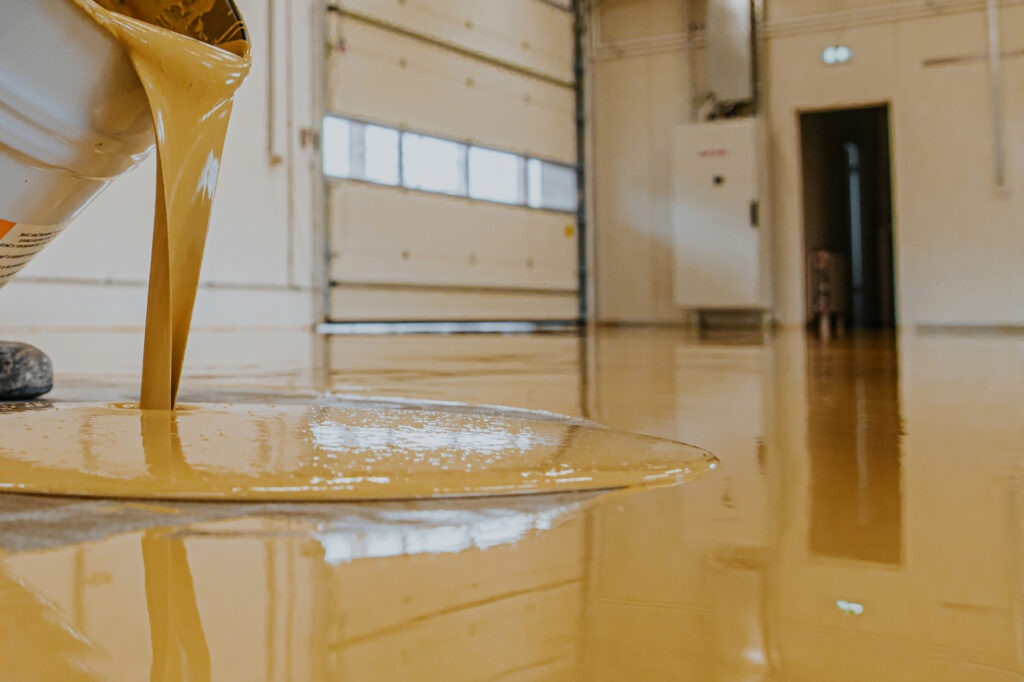
Before exploring advantages and disadvantages, understanding what epoxy flooring entails helps frame the discussion. Epoxy flooring consists of resin and hardener components that chemically react to form a rigid, durable plastic material bonding directly to prepared concrete substrates. Unlike paint that simply sits atop concrete, epoxy creates a chemical bond penetrating the substrate surface, resulting in exceptional adhesion and longevity. Johannesburg’s climate—characterized by hot summers, mild winters, afternoon thunderstorms, and minimal humidity—creates ideal conditions for epoxy application and curing. The city’s predominantly concrete construction base in industrial areas, commercial properties, and increasingly residential garages provides perfect substrates for epoxy systems. From Hyde Park luxury homes to Kempton Park manufacturing facilities, epoxy flooring has proven its versatility across Johannesburg’s varied property landscape.
The Major Advantages of Epoxy Flooring in Johannesburg
Exceptional Durability for High-Traffic Areas
Johannesburg’s industrial sectors—concentrated in areas like Isando, Jet Park, and Midrand—demand flooring that withstands punishing daily abuse. Epoxy floor systems deliver unmatched durability, resisting the constant forklift traffic, heavy machinery movement, and impact from dropped materials that would quickly destroy alternative flooring. The South African Bureau of Standards recognizes epoxy’s performance characteristics, making it the preferred choice for warehouses, manufacturing facilities, and logistics centers throughout Gauteng. In residential applications across affluent suburbs like Bryanston, Dainfern, and Waterfall Estate, homeowners appreciate how epoxy garage floors resist hot tire marks, oil stains, and the wear from daily vehicle movement that degrades standard concrete. This durability translates directly to cost savings—while initial investment exceeds basic concrete sealing, epoxy floors in Johannesburg typically last fifteen to twenty-five years with minimal maintenance, compared to frequent repainting or resurfacing required by inferior systems.
Superior Chemical Resistance for Diverse Applications
Johannesburg’s diverse industrial base—from automotive manufacturing in Rosslyn to pharmaceutical production in Midrand to food processing facilities throughout the East Rand—requires flooring that resists chemical exposure without degrading. Epoxy flooring systems can be formulated to resist specific chemicals encountered in different industries, from petroleum products and solvents to acids and cleaning agents. This chemical resistance proves equally valuable in residential settings where garage floors face exposure to automotive fluids, garden chemicals, and household cleaners. The seamless, non-porous nature of epoxy prevents chemical penetration into concrete substrates, protecting the structural integrity of your property investment. For Johannesburg businesses requiring compliance with health and safety regulations, epoxy’s chemical resistance simplifies meeting standards set by organizations like the Department of Employment and Labour, particularly in food production and pharmaceutical sectors where floor contamination risks must be eliminated.
Seamless, Hygienic Surfaces for Health-Conscious Environments
The seamless characteristic of epoxy flooring creates profound advantages for Johannesburg properties prioritizing cleanliness and hygiene. Unlike tiled floors with grout lines that trap dirt, bacteria, and moisture, or concrete floors with porous surfaces harboring contaminants, properly installed epoxy presents an unbroken, impermeable barrier. This seamless quality proves essential for Rosebank medical facilities, Sandton pharmaceutical laboratories, and food processing plants across Johannesburg’s industrial areas where hygiene standards are non-negotiable. Residential applications in suburbs like Melrose, Illovo, and Morningside increasingly feature epoxy flooring in kitchens, bathrooms, and entertainment areas where easy cleaning and bacteria resistance matter. The smooth surface allows simple maintenance—regular sweeping and occasional mopping with neutral cleaners keeps epoxy floors spotless without specialized cleaning products or intensive labor. For allergy sufferers, epoxy flooring eliminates dust mites and allergen accumulation that plague carpeted surfaces.
Aesthetic Versatility Matching Johannesburg’s Design Trends
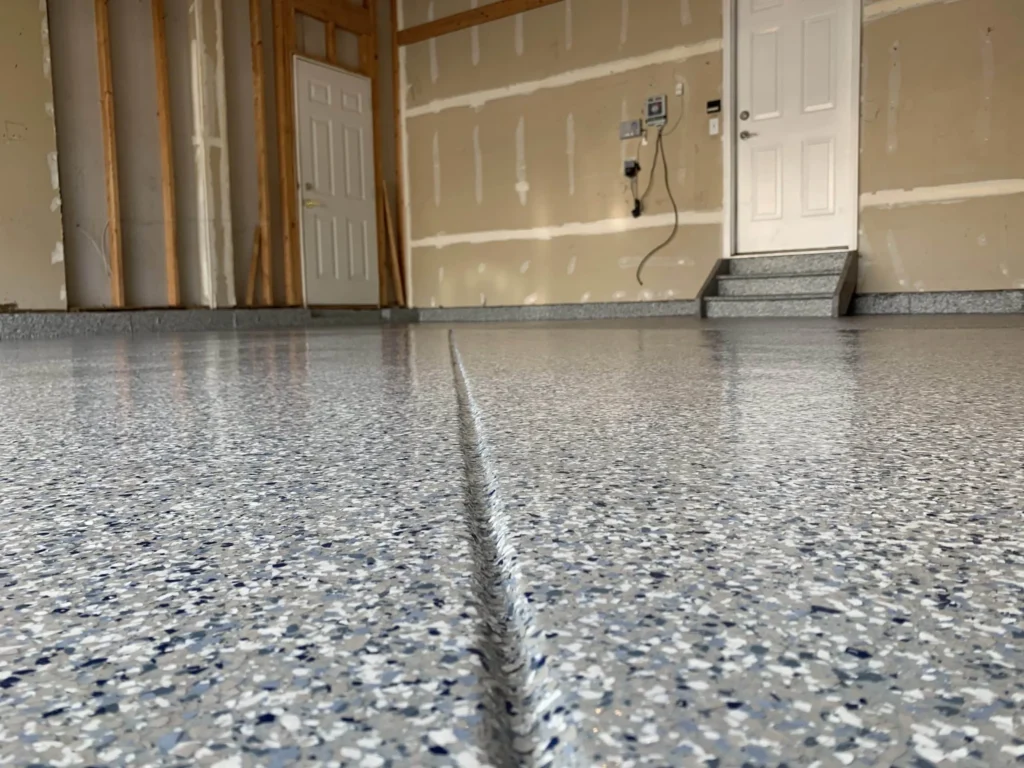
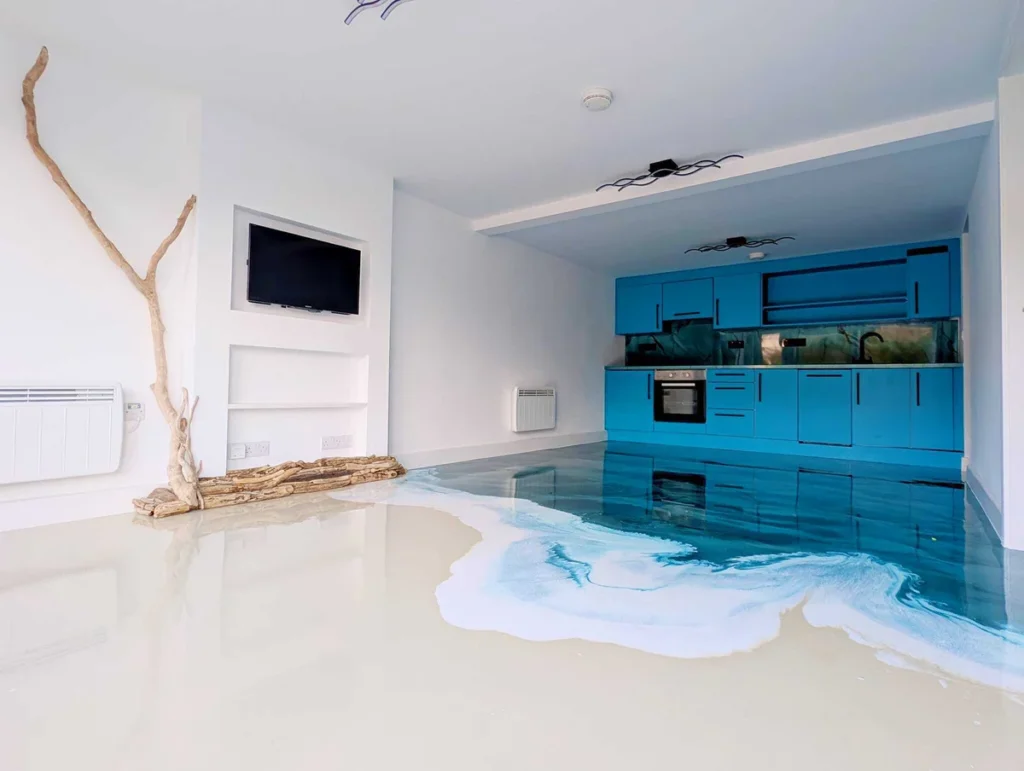
Johannesburg’s design aesthetic spans from ultra-modern Waterfall City developments to classic Parktown mansions, and epoxy flooring systems accommodate this diversity through remarkable aesthetic flexibility. Metallic epoxy floors create stunning three-dimensional effects popular in Sandton showrooms, Rosebank retail spaces, and upscale Houghton residences seeking contemporary flair. Solid color epoxy in custom shades complements any design scheme, from industrial chic in converted Maboneng lofts to sophisticated neutrals in Saxonwold estates. Decorative flake systems deliver terrazzo-like appearances at fractions of traditional terrazzo costs, appealing to Fourways and Dainfern homeowners seeking luxury aesthetics with practical performance. Clear epoxy coatings preserve natural concrete character while providing protection—perfect for the industrial-inspired interiors trending in Johannesburg’s urban renewal areas. At Tusker Floors, we help clients throughout Johannesburg select finishes reflecting their unique style while maintaining the performance characteristics that make epoxy flooring practical.
Cost-Effectiveness Through Long-Term Value
While epoxy flooring requires higher upfront investment than basic concrete sealing or painting, Johannesburg property owners recognize superior long-term value through reduced maintenance costs and extended lifespan. Consider a Midrand warehouse: cheap concrete paint might cost R50 per square meter initially but requires repainting every two to three years, plus interim repairs for chips and failures. Professional epoxy flooring at R400-800 per square meter lasts twenty years with minimal maintenance—dramatically lower cost per year of service. The Green Building Council South Africa recognizes epoxy’s sustainability benefits, as longevity reduces material waste and the need for frequent replacements that consume resources and generate construction waste. For Johannesburg homeowners in Bryanston, Constantia Kloof, or Centurion, epoxy garage floors protect concrete from deterioration, potentially avoiding expensive substrate repairs that far exceed flooring costs. Energy efficiency benefits accrue from epoxy’s reflectivity—light-colored floors reduce lighting requirements in warehouses and garages, lowering electricity costs in Johannesburg’s expensive energy market.
The Notable Disadvantages of Epoxy Flooring
Installation Complexity Requiring Professional Expertise
The most significant disadvantage of epoxy flooring is installation complexity demanding experienced professional contractors. Unlike simple paint application that handy homeowners might attempt, proper epoxy installation requires specialized knowledge, equipment, and technique. Surface preparation proves absolutely critical—inadequate concrete grinding, failure to remove contaminants, or insufficient moisture testing leads to delamination, bubbling, or premature failure regardless of epoxy quality. Johannesburg’s variable substrate conditions, from older Randburg industrial buildings to new Waterfall Estate constructions, require assessment skills distinguishing professional installers from amateurs. Mixing ratios must be precise, application timing depends on temperature and humidity, and proper curing requires controlled conditions. DIY epoxy kits available at Johannesburg hardware stores rarely match professional system performance and often fail within months when substrate preparation is inadequate. At Tusker Floors, we emphasize that cutting installation costs by hiring inexperienced contractors or attempting DIY application inevitably costs more through premature failures requiring complete removal and reinstallation. The complexity means Johannesburg property owners must invest time finding reputable contractors, obtaining quotes, and scheduling installations—more involved than simply hiring painters for basic concrete coating.
Temporary Downtime During Installation and Curing
Epoxy flooring installation requires facility downtime that can inconvenience Johannesburg businesses and homeowners. Unlike carpet or tile that allows immediate use after installation, epoxy requires curing periods before accepting traffic or loads. Light foot traffic may be possible after twenty-four hours, but full chemical resistance and mechanical properties develop over several days as polymerization completes. For Johannesburg industrial facilities in Isando, Spartan, or City Deep, this downtime translates to lost production, requiring careful scheduling during maintenance windows or off-peak periods. Residential installations in Sandton, Hyde Park, or Bedfordview garages mean vehicles must park elsewhere for several days—potentially inconvenient for families without alternative parking. Surface preparation adds time, with concrete grinding creating significant dust requiring thorough cleaning before epoxy application. Odors during installation, while less pronounced with modern low-VOC epoxy systems, may necessitate vacating residential spaces or providing ventilation in occupied commercial buildings. Planning around Johannesburg’s afternoon thunderstorms is essential, as humidity affects curing—installations may require delay during particularly wet periods despite the city’s generally favorable climate.
Slipperiness When Wet Without Proper Treatment
A frequently cited concern about epoxy flooring is potential slipperiness, particularly when wet—a valid consideration given Johannesburg’s dramatic thunderstorms that can track water indoors on shoes and equipment. High-gloss epoxy finishes, while visually stunning in Rosebank showrooms or Melrose residences, can become dangerously slippery when contaminated with water, oils, or other liquids. This characteristic raises legitimate safety concerns for Johannesburg commercial kitchens, industrial facilities where spills occur, and residential garages where wet weather creates slip hazards. However, this disadvantage is easily mitigated through proper system specification. Anti-slip additives incorporated during installation or broadcast aggregates applied before final curing create textured surfaces with excellent traction even when wet. According to Occupational Health and Safety standards, properly specified epoxy floors with appropriate slip resistance meet workplace safety requirements for various applications. The key is working with knowledgeable contractors like Tusker Floors who assess your specific use case and incorporate suitable slip-resistance measures. The disadvantage truly lies in uninformed specification rather than epoxy’s inherent properties—glossy residential garage floors receive different treatment than commercial kitchen floors requiring maximum wet-area traction.
Limited Outdoor Durability Due to UV Sensitivity
Standard aliphatic epoxy resin systems experience yellowing and chalking when exposed to direct sunlight and UV radiation, limiting their suitability for Johannesburg’s outdoor applications. Properties in Dainfern, Steyn City, or Kyalami Estate with outdoor entertainment areas, patios, or pool decks cannot rely on standard epoxy flooring for these exposed locations. Johannesburg’s high altitude (1,753 meters above sea level) intensifies UV exposure compared to coastal cities, accelerating epoxy degradation in outdoor settings. This UV sensitivity doesn’t affect indoor applications—the vast majority of epoxy flooring installations—but represents genuine limitation for property owners seeking comprehensive flooring solutions. Yellowing typically affects appearance rather than structural integrity, but aesthetic degradation contradicts the visual appeal motivating many epoxy installations. Solutions exist: polyaspartic or aliphatic polyurethane topcoats provide UV-resistant protection over epoxy base coats, enabling outdoor applications. However, these additions increase costs and complexity. For Johannesburg properties requiring outdoor flooring, alternatives like stamped concrete, natural stone, or specialized outdoor epoxy systems formulated with UV stabilizers prove more suitable. Understanding this limitation prevents disappointment and ensures appropriate material selection for your specific Johannesburg property requirements.
Difficult and Costly Removal or Replacement
Once installed and cured, epoxy flooring bonds tenaciously to concrete substrates—an advantage for longevity but a disadvantage if removal becomes necessary. Johannesburg properties undergoing renovations, selling to buyers demanding different flooring, or experiencing epoxy failures requiring complete removal face expensive, labor-intensive processes. Mechanical grinding represents the most effective removal method, but generates enormous dust, requires specialized equipment, and may damage underlying concrete if executed improperly. Chemical strippers can soften epoxy but introduce environmental concerns and require careful handling to comply with South African environmental regulations. For Randburg industrial properties transitioning to different uses or Sandton commercial spaces undergoing tenant improvements, epoxy removal costs can reach R200-400 per square meter—approaching or exceeding new installation costs. This permanence means Johannesburg property owners should carefully consider long-term needs before installation. Unlike modular flooring systems allowing easy replacement, epoxy represents significant commitment. However, this disadvantage is largely theoretical for most applications—properly installed epoxy flooring typically outlasts building uses, and its neutral appearance accommodates changing aesthetics through simple recoating rather than complete removal.
Making the Right Decision for Your Johannesburg Property
Understanding epoxy flooring’s pros and cons helps Johannesburg property owners make informed decisions suited to their needs and budgets.The benefits prove compelling: exceptional durability, chemical resistance, seamless hygiene, aesthetic versatility, and long-term cost-effectiveness for most applications. The disadvantages are manageable with experienced professionals: installation complexity, downtime, potential slipperiness, UV sensitivity, and difficult removal. At Tusker Floors in Randburg, we guide Johannesburg clients through this decision-making process with transparency and expertise. Whether you’re managing a Midrand warehouse requiring heavy-duty industrial flooring, developing a Waterfall Estate luxury home seeking stunning garage floors, we provide honest assessments of whether epoxy flooring suits your needs. Our experience across Johannesburg’s diverse suburb is vast. It enables us to navigate local conditions, substrate challenges, and application requirements ensuring successful outcomes. The key to maximizing epoxy floors lies in professional specification, quality materials, expert installation, and realistic expectations. Contact Tusker Floors at sales@tuskerfloors.co.za to discuss your Johannesburg property’s flooring needs. We provide detailed consultations, honest recommendations, competitive quotations, and professional installations. We offer performance, aesthetics, and value that make epoxy flooring Johannesburg’s preferred choice for discerning property owners.
Recent Posts: